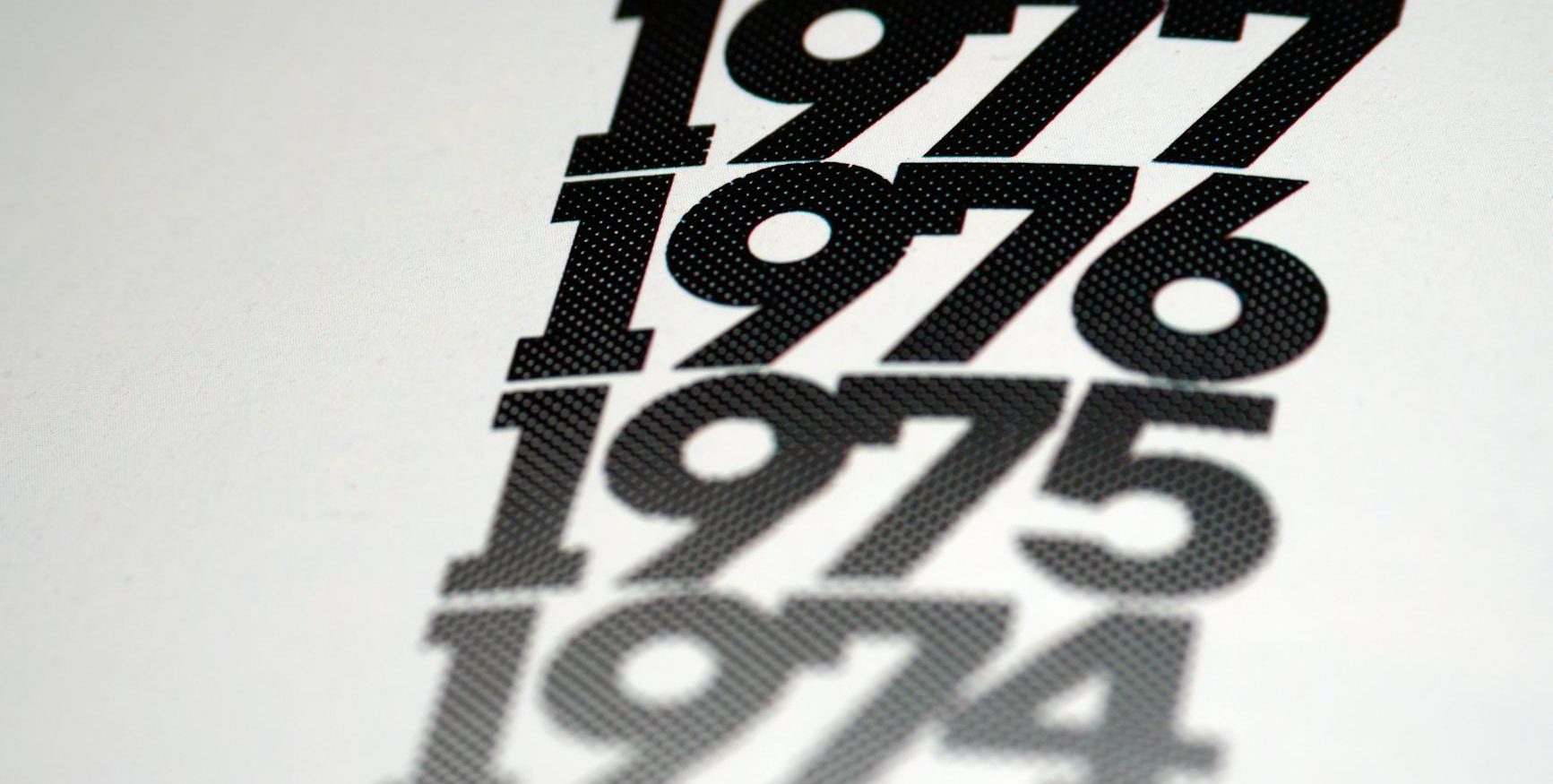
Something was going on in 1976. 50 years ago, it was like things really took off, and I don’t just mean Concorde’s first commercial flight. And while Concorde was ultimately decommissioned, other ideas and initiatives launched that year have endured. Among them; the Olivier Awards, Aardman Animations and yes, even the Undercroft Skate Space on the Southbank. Iconic in their own way, all of them celebrate their 50th anniversaries this year. And it doesn’t stop there. 1976 signalled such a coalescence of creativity, innovation and energy that its momentum has kept on rolling – permeating society and shaping culture right up to the present moment.
Let’s look at some more iconic beginnings from the year that made us.
Punk Music
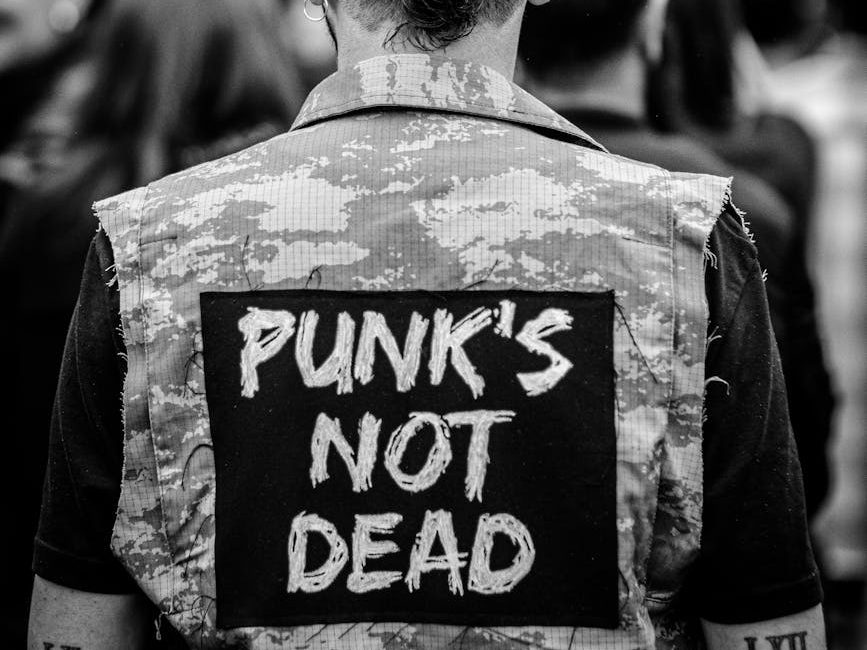
You can’t talk about 1976 without talking about Punk. And the UK simply wouldn’t be the same without it. This year marks 50 years since Punk burst onto the music scene with the release of The Damned’s single New Rose. Shortly followed by the Sex Pistol’s Anarchy in the UK released a month later. It’s important because Punk music set in motion a profound shift in approach: inspiring a movement where everyday people realised they could just do it themselves. They didn’t need to wait for permission to follow their dreams or watch on as others ran away with things. Punk music expressed a frustration with the status quo and sparked a sense of anarchy towards established systems and ways of doing things – in its wake a raft of activity followed. Punk was characterised by grassroots energy and a DIY ethos which would not only influence music all the way into the Trip-hop of the 90s and beyond, but very quickly overlap with fashion, art, politics and social justice to become a cultural movement that would change society forever.
The Body Shop
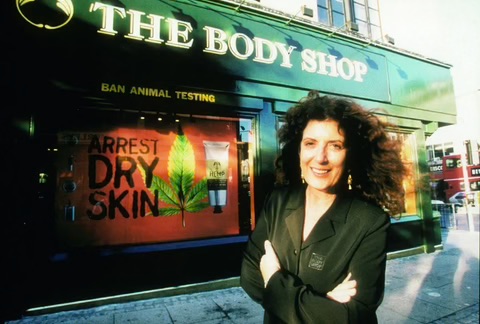
1976 was also the year the Anita Roddick founded the Body Shop – a ‘small green shop’ in Brighton with a big mission to disrupt and change the beauty industry through making cruelty-free products. This was groundbreaking – a major contrast to the accepted and all-too-common practice at the time of animal testing. And although this continues in very limited ways, the Body Shop, together with Anita Roddick’s campaigning and activism did much to challenge and reduce its practice. The Body Shop started small – a way for Roddick to support her family through owning her own business and making her own products. But she restructured the business so that further shops could be added through franchise. Although the brand was hit by controversy when she sold it to L’Oriel for millions of pounds, in its heyday and throughout the 80s and 90s, it exerted a huge influence on a generation of beauty shoppers, who for the first time were forced to consider the way their products were made and better ways of engaging with the beauty and cosmetics industry.
Apple Computers
In 1976 Apple Computers was launched by a three college drop-outs in Steve Jobs’ parents’ garage. It’s hard to imagine that Apple – as cutting edge and culture-defining as it is – has been around that long: 50 years. If there was ever be a set of products that would go on to change society, it would be Apple’s products. With their alternative version – and vision – of the personal computer Apple created a brand synonymous with style and creativity. So beautiful that Apple would easily find its products featured in TV shows and films. And so versatile and user-friendly that there was little argument in the necessity of owning an iMac, iPad and iPhone… And it was Apple’s iPod that changed the music industry in 2001 with “1,000 songs in your pocket”. Forget the need for a cumbersome walkman that you invariably had to hold or clip on; an iPod slid right in to your pocket leaving your hands free. This was thanks to Steve Jobs being joined by product designer Jony Ives in the early 1990s – a collaboration of shared ethos, marketing and design flair which would win consumers’ hearts and minds. Apple knew how to create sleek products that attracted generations of loyal customers and created a whole new way of engaging with technology.
Rough Trade
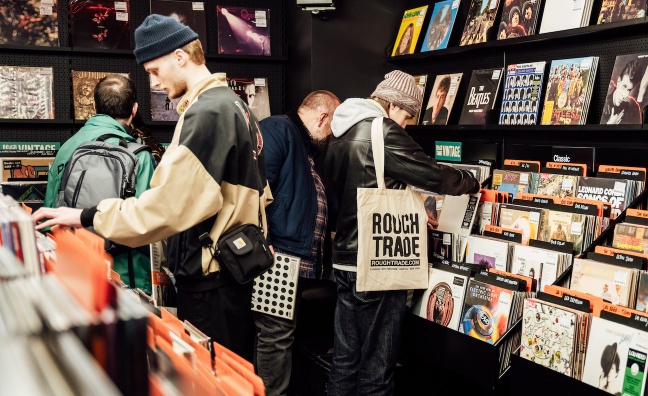
Rough Trade launched in 1976 – another small shop, for music this time, on Kensington Park Road near Notting Hill. On its website Rough Trade hails the 1970s as a decade of “restless creativity” where music crossed borders and embraced multiple genres. While these genres developed as distinct in themselves, others soon took hands with each other, re-forming into new genres like Two-tone (combining Punk, Reggae and Ska) imbibing the fresh sounds of a new multicultural Britain, and challenging existing ideas of the time. It proved music wasn’t neutral. Nor were fashion and art, which characterised the emergent scenes almost as much as the music itself. Genres arising from Punk carried its DNA and just like it, soon became cultural agitators and disruptors too. But it was the music that fuelled the movement. Later, in the 90s, this same DNA would inspire the Trip-hop which drew on Punk, Dub, Reggae – to name a few – mashing them together like a musical collage to create something entirely new. For its part, Rough Trade has stayed synonymous with musical discovery ever since, championing artists, new sounds and physical media like vinyl, ever since 1976. And on annual days like Record Store Day – we get to celebrate what independent shops like Rough Trade do best: bring people together around music.
My parents
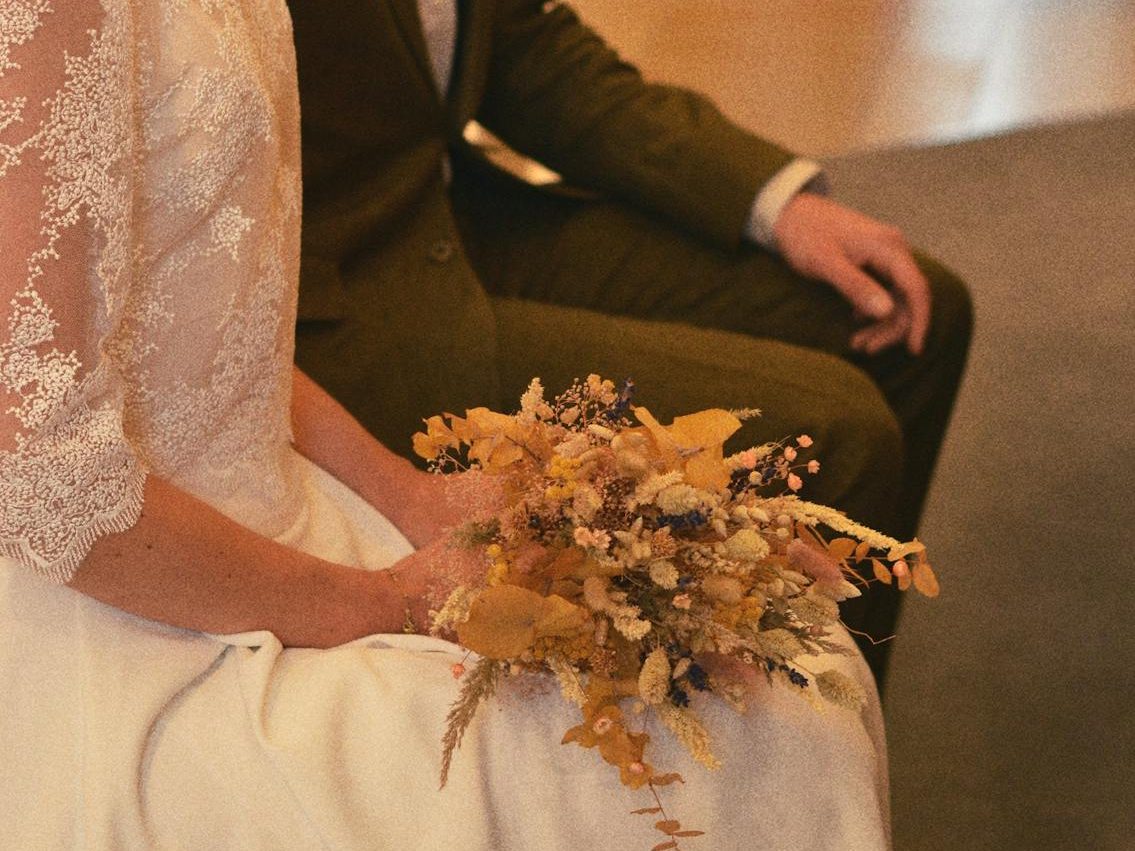
1976 was also the year my parents got married. Yes, they will be celebrating 50-years-married later this year: their Golden Wedding Anniversary. And in theory – although I was all but a twinkle in their eyes (I appeared a few years later), I owe a lot to 1976 too. My existence was already being cued up as they walked down the aisle and said their vows. It was certainly a year that shaped me – quite literally – without it I wouldn’t exist at all. But it also shaped so much of the thinking and culture that we experience today and get to enjoy about our society. Punk especially signalled the freedom to try – to do it yourself and have a go. Not only does this encourage creativity, it also took power back from the Establishment and put it into people’s hands, igniting a sense of innovation and change that would ripple out across the decades right up to the present moment. And pervading so much of our culture, it’s hard to imagine what being ‘British’ is without it.
In summary, it’s fair to say that life would look very different today were it not for the events of 1976. The wider socio-political context at the time, marked by upheaval and a whole set of frustrations, forced the need for change. Importantly this was change that started at a grassroots level – galvanised not only by music, but by the creativity and sense of permission it gave; soon becoming a wider movement with an unstoppable momentum. What a legacy it has given us. And if it was possible then, is it still possible now? Here’s hoping. We need it now more than ever.
© Alexandra Noel 2026. All rights reserved.
 Alex Noel