Announcing D-Day

On the 80th Anniversary of D-Day, I look back at the part my grandfather – Derek Prentice, played in D-Day, by announcing it to the world.

British troops landing on the beaches in Normandy on D-Day – Reuters

On 6th June 1944, as people in the UK were getting up and going about their morning routines; on the radio they would have heard news of the D-Day landings, broadcast to them by the ‘BBC Home Service’. It informed them of the extraordinary events that had taken place during the night, while they were still soundly asleep. However, this wasn’t the first announcement of D-Day.

Hours before, as 6th June 1944 was just beginning, and as the armada of ships and planes were making their way across the Channel, BBC newsreader Derek Prentice announced the first news of D-Day. It was broadcast to vast numbers of dedicated listeners on the ‘BBC Overseas Service’. As the broad term denoted, it reached audiences beyond Britain’s shores – all around the world. Derek Prentice was my grandfather.

Afterwards, he was told that his D-Day broadcast must have had 100 million listeners, reportedly the biggest radio audience in history at the time.

My grandmother shared this story with the BBC’s WW2 People’s War project in 2014. Throughout the war, Derek’s BBC news bulletins were broadcast across Europe and the world, to countries including India, Mauritius, Canada, the USA, Australia and New Zealand. Always beginning with the words: “This is London calling”.

To his global audience he was a well known and familiar voice during the war, synonymous with the BBC. In Europe his name was so recognisable that it was used to send messages amongst the resistance. In the book ‘Facing Fearful Odds’, journalist John Jay (writing about his father’s experience of captivity, escape and resistance during WW2) tells of a prisoner of war camp in Setzdorf where one prisoner had acquired a radio receiver. Possession of such devices was punishable by execution.

Jay describes how the POWs there had “managed to tune in to the BBC European Service, with its announcement: ‘Here is the news read by Derek Prentice’.” He continues: “Prentice had gained legendary status in occupied Europe, where people used his name as code. Whispered questions such as ‘Have you heard from Derek today?’ would be an invitation to disclose the contents of BBC broadcasts. At Setzdorf, the main points of each transmission would be scribbled down and distributed”, as look-outs kept careful watch for the guards.

In other parts of the ‘British Empire’ including Canada and Australasia, people listened anxiously for news of the allies’ position and progress in the war. For them Derek was the voice of Britain. With a reassuring and authoritative quality, his voice signalled to listeners around the world that victory would come sooner or later. As the war raged on, claiming millions of lives – people needed hope. He read the BBC news throughout, right up until the end of the war.
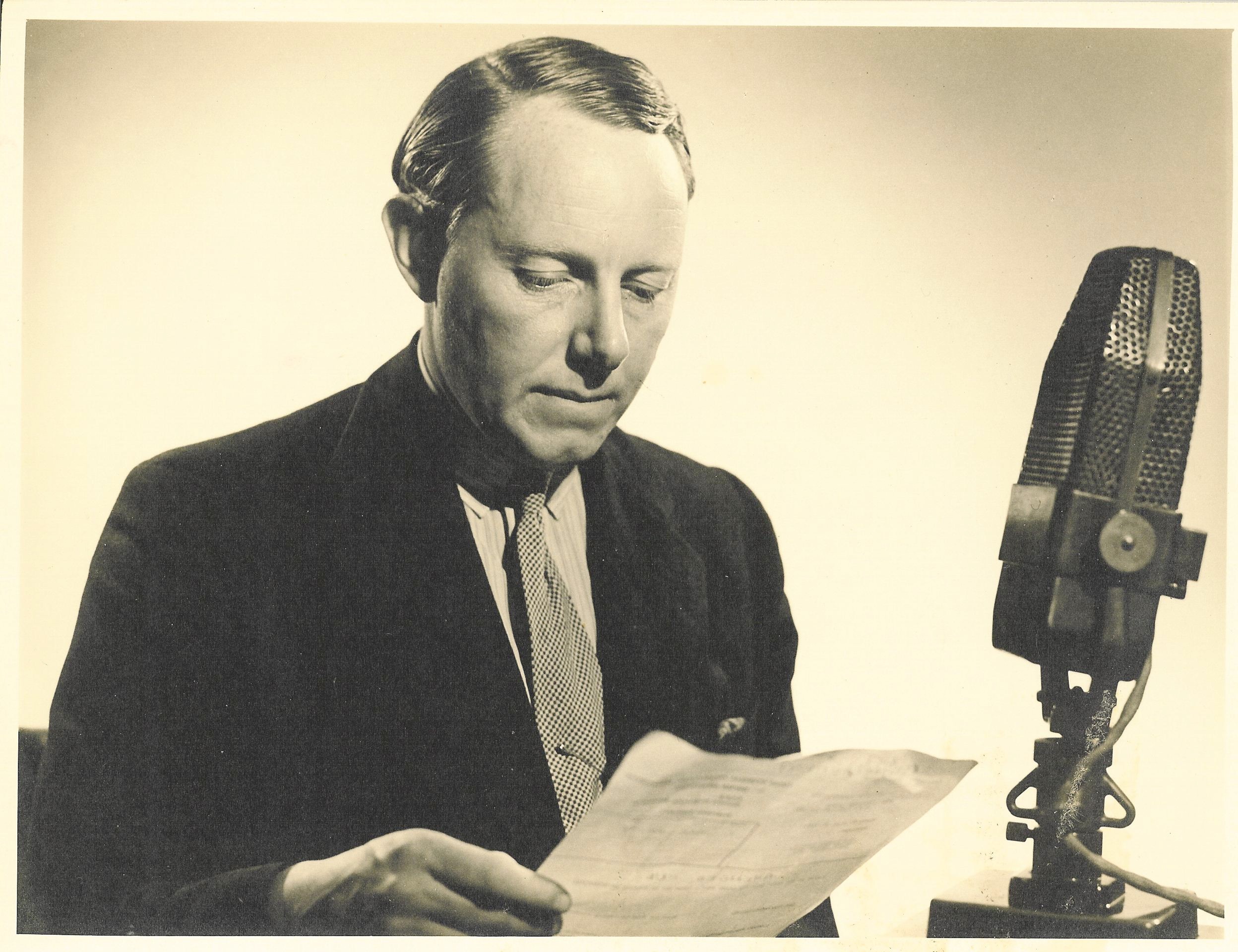
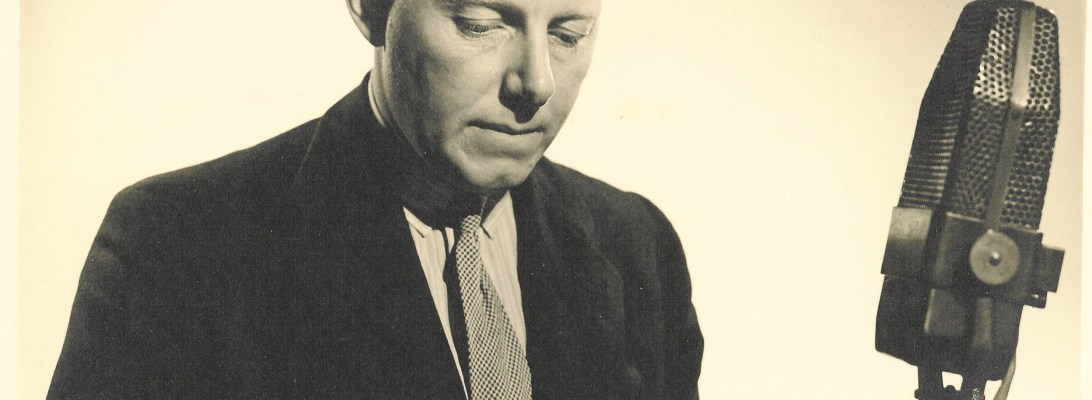
Derek Prentice at the BBC microphone – a treasured family photograph.

Prior to working at the BBC, my grandfather had been an actor. His interest in theatre had begun during his time studying French and German at New College, Oxford (which followed his schooling at Winchester College). He initially became an engineer upon graduating, but he was so passionate about acting that he was able to persuade his parents to support this true vocation. Years later, working in London – including the West End – he was put out of work by the outbreak of war in 1939, when the theatres closed. As a linguist, he first went into censorship; then turned his acting training, and vocal talent to radio. He got a job with the BBC where he frequently worked the nightshift as a news reader. One particularly treasured family photograph shows him at the BBC microphone. After the war, he returned to acting, working across theatre, radio, film and television.

He was a hugely popular newsreader and his many fans across the world would send letters and gifts to him and his young family (his wife, Katherine and their two daughters) in beleaguered Britain . He would share these gifts with his colleagues – there was more than enough to go around. Other published reminiscences we have found echo that he was a recognised and much-loved radio voice of the time.

My mother and I have been trying hard to track down the original recording of that D-Day broadcast. Our many attempts to obtain a copy included approaching the BBC, who were very helpful but unable to locate the original recording. However, recently in April this year, we reached out again to the Australian Broadcasting Commission, who had featured the broadcast in a programme marking the 70th anniversary of D-Day in 2014. We were delighted to be told this time that they could make their recording of that original shortwave radio broadcast available to us. And with the BBC’s permission they have just released a copy of it for our personal use.

It’s wonderful to hear my grandfather, who I never met (he died before I was born), announcing such a pivotal moment in history; one we now know would lead to the end of WW2.

© Alexandra Noel – All rights reserved – June 2024.
Two-Tone & The People Who Made it

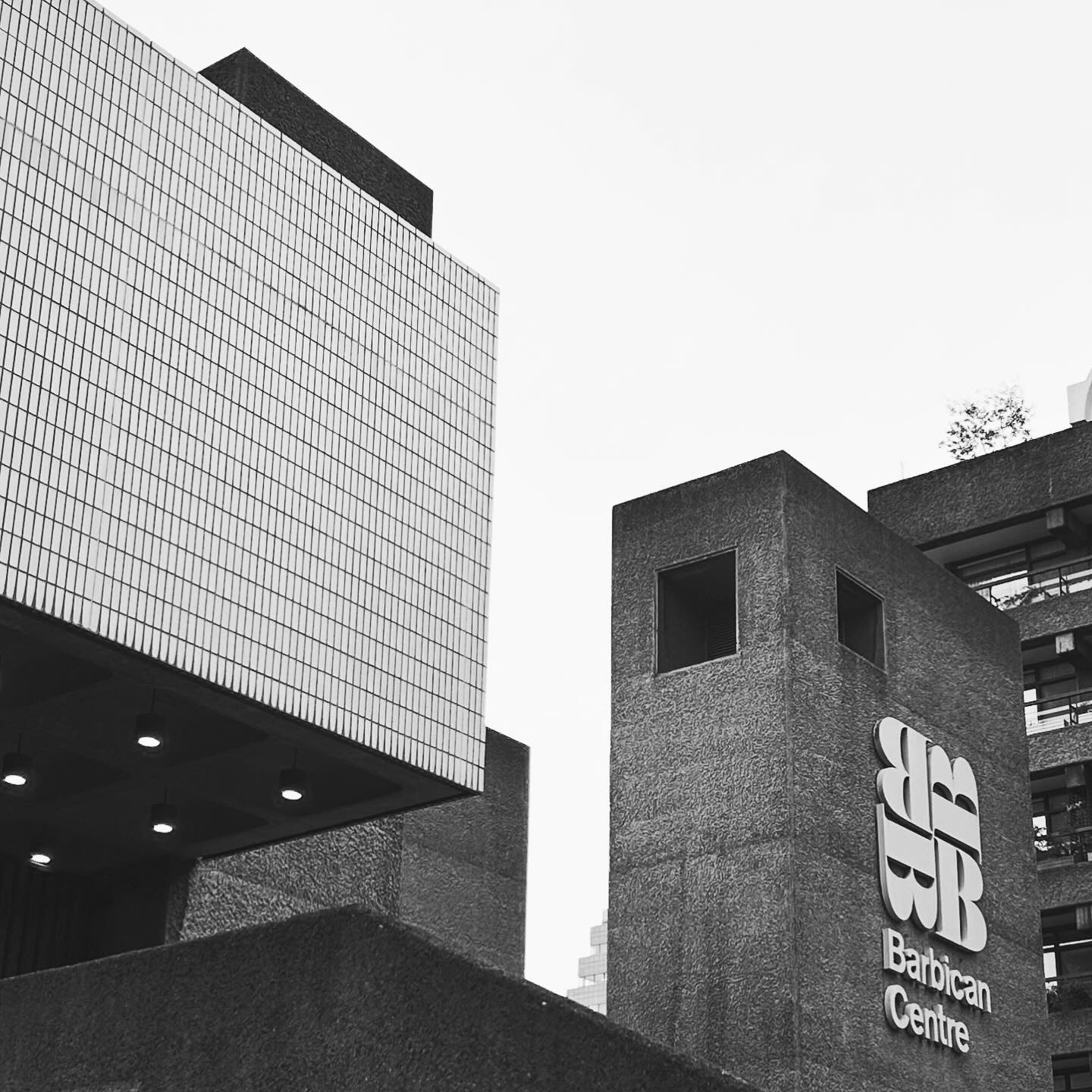
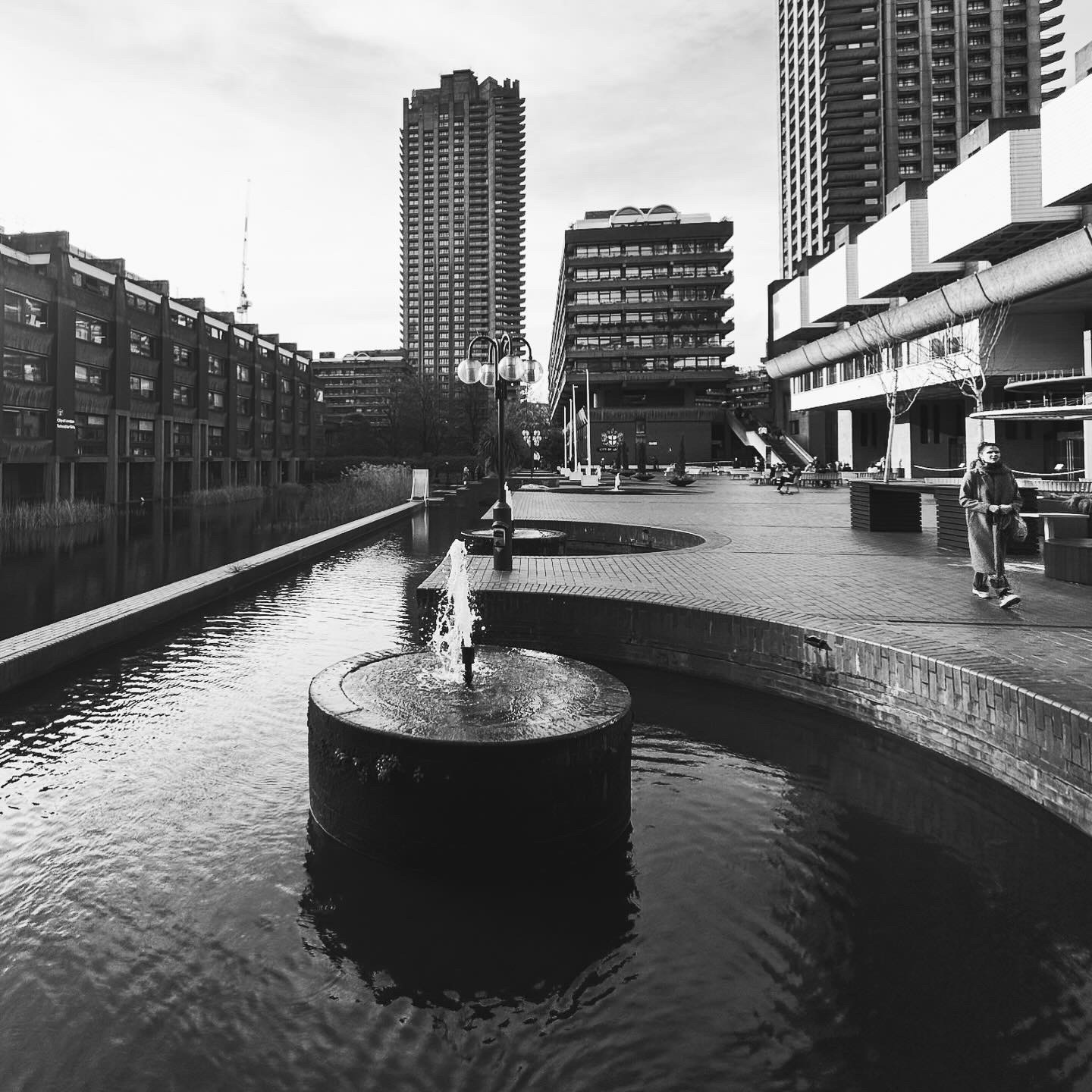
Walking through the City on a cold February day, with Liverpool Street station behind me; I look for glimpses of the Barbican’s unmistakeable brutalism peering out between the surrounding glass and steel. Its architecture a monument to post-war rebuilding and a vision of 1980s aspirational living (it opened in 1982), it serves as a counterpoint to the austerity that revealed itself in the ‘winter of discontent’ of 1978-9. The late 70s were largely characterised by an influx of migrants, trade union strikes, brewing racial tensions and anti-government protests; creating an atmosphere not dissimilar to that of the last few years, and paved the way for the nascent Thatcherism that soon followed.

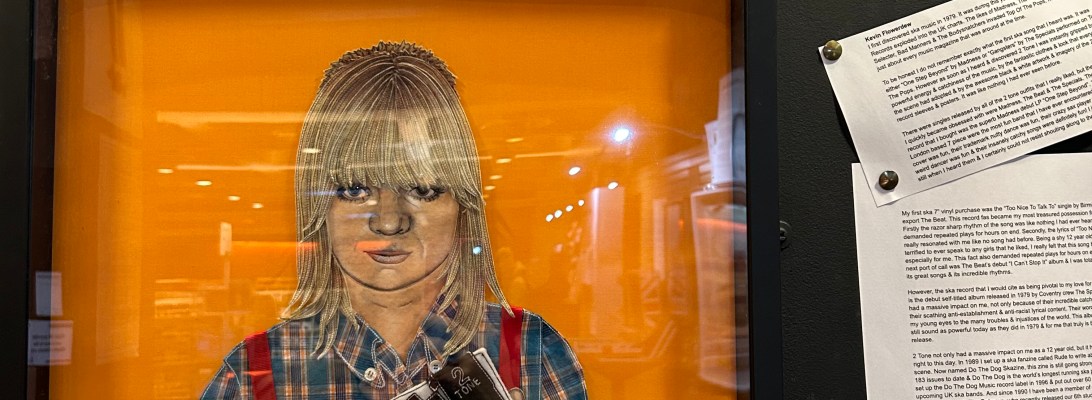
On an otherwise-average weekday, the Barbican is buzzing when I arrive. Navigating the Escher-like maze of walkways, hallways and stairways is easier than it seems. Soon I find the Barbican Music Library – a quiet haven sequestered within the main library. Here is the reason for my visit: a lovingly curated exhibition charting the rise and influence of Two-tone; the multicultural music genre which signalled that racial integration was not only possible – it was serious fun.

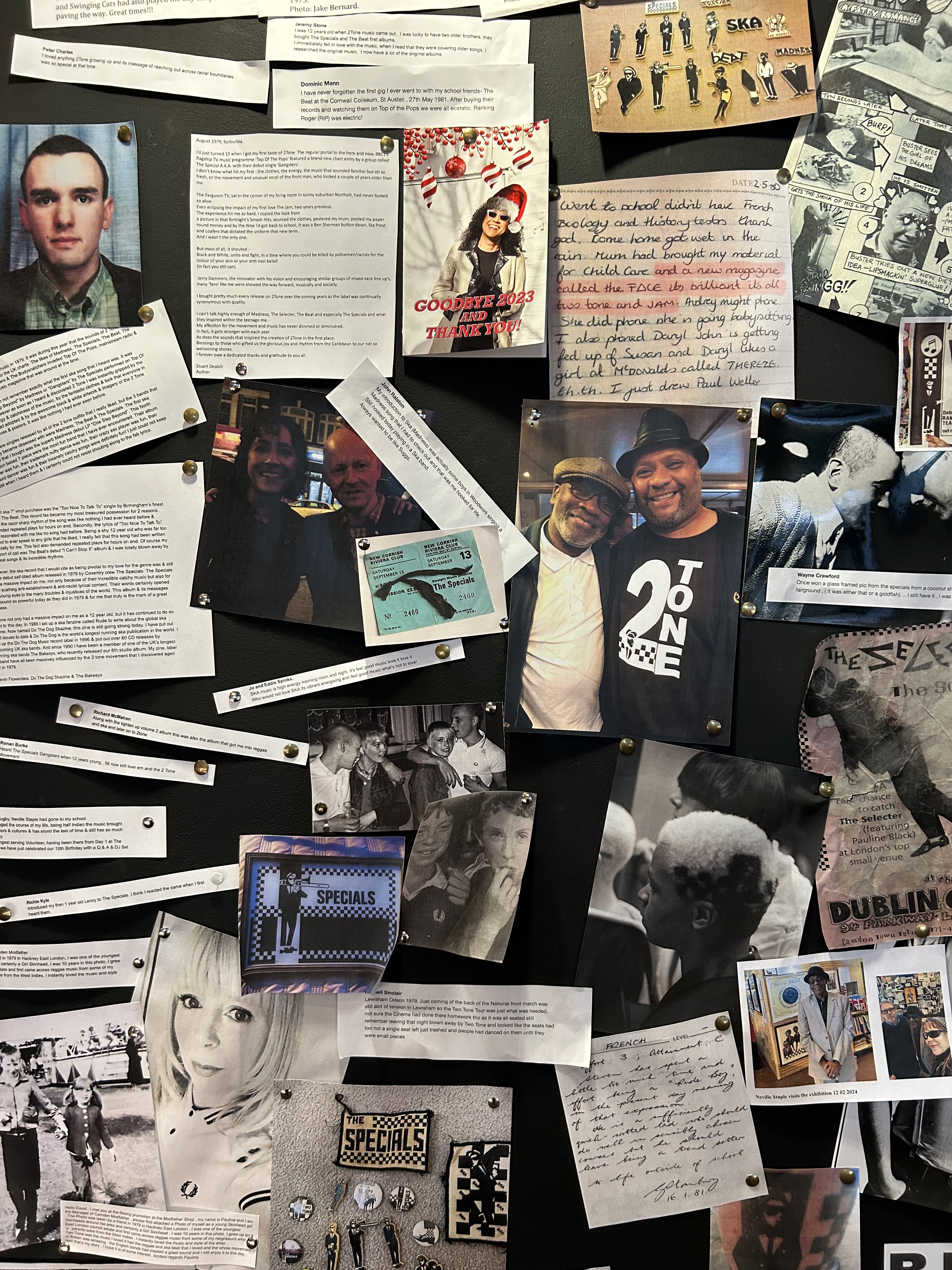
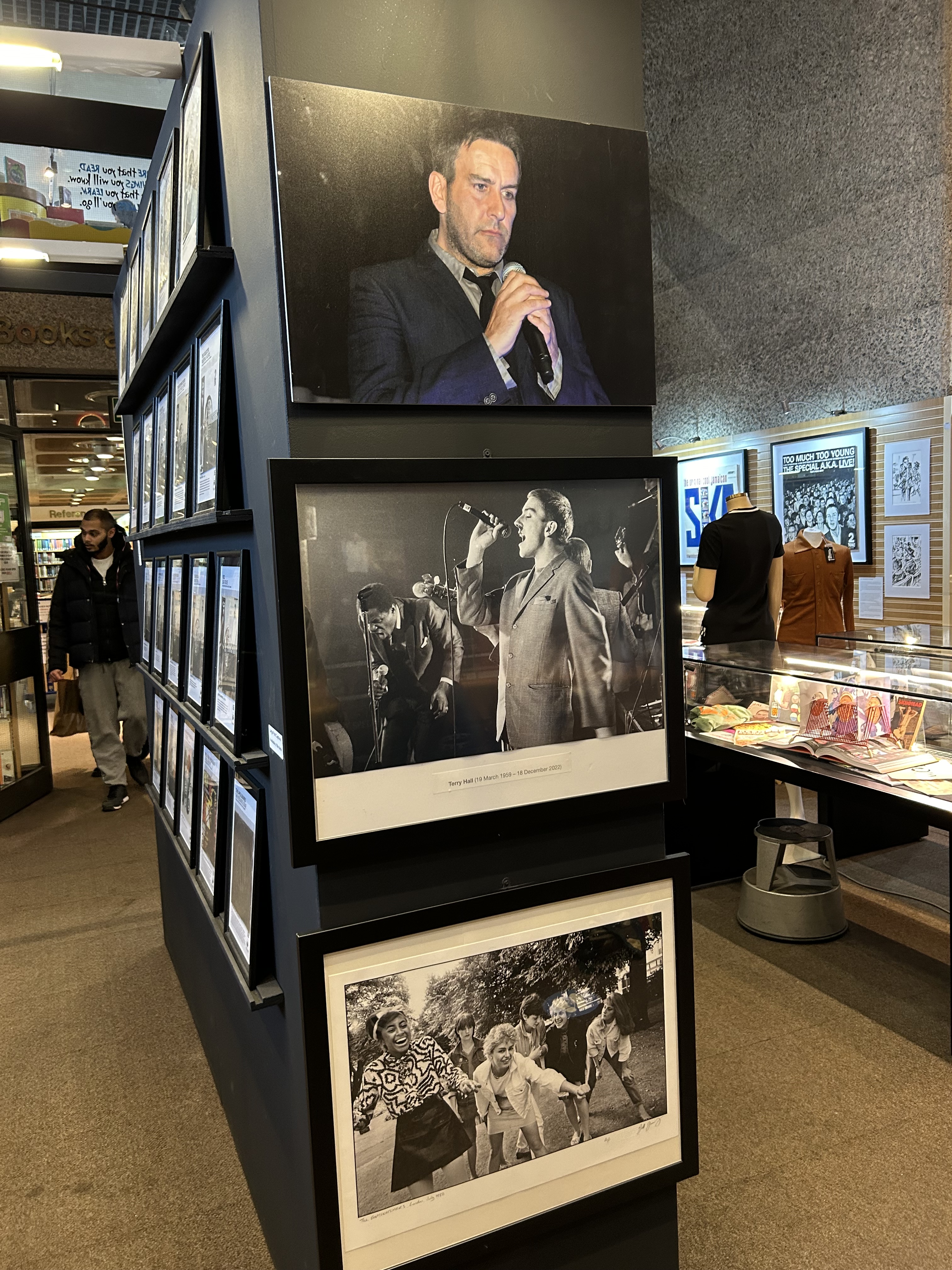
The exhibition celebrates Two-tone music and the whole cultural scene that surrounded it; featuring an impressive array of memorabilia, stories and reminiscences from musicians, writers and plenty of fans. These are not only to be found in the displays – where individual stories tell of unforgettable experiences, but also in the pages of the visitors’ book packed with more memories of those times. The evident gratitude people feel for the exhibition and the opportunity to collectively remember, makes it clear that this is something special.

It also serves up a rich slice of recent British history and pays tribute to those who travelled to the UK from the Caribbean to support the war efforts of the first and second world wars, and to rebuild war-torn Britain afterwards. Amongst this contribution to British society, was the music which laid the foundations for Two-tone and more besides.

2 Tone Records – the eponymous music label, was launched by Jerry Dammers of The Specials in 1979. Based in Coventry it attracted groups and performers who had embraced Jamaican ska, rocksteady, reggae and dub – brought to the UK from the Caribbean, and combined it with Punk, and New Wave, music synonymous with the UK . This fusion came to define the two-tone sound. Though the label itself was short-lived (closing in 1981 after only two years); it left an indelible mark on the UK’s musical, and socio-political landscape.

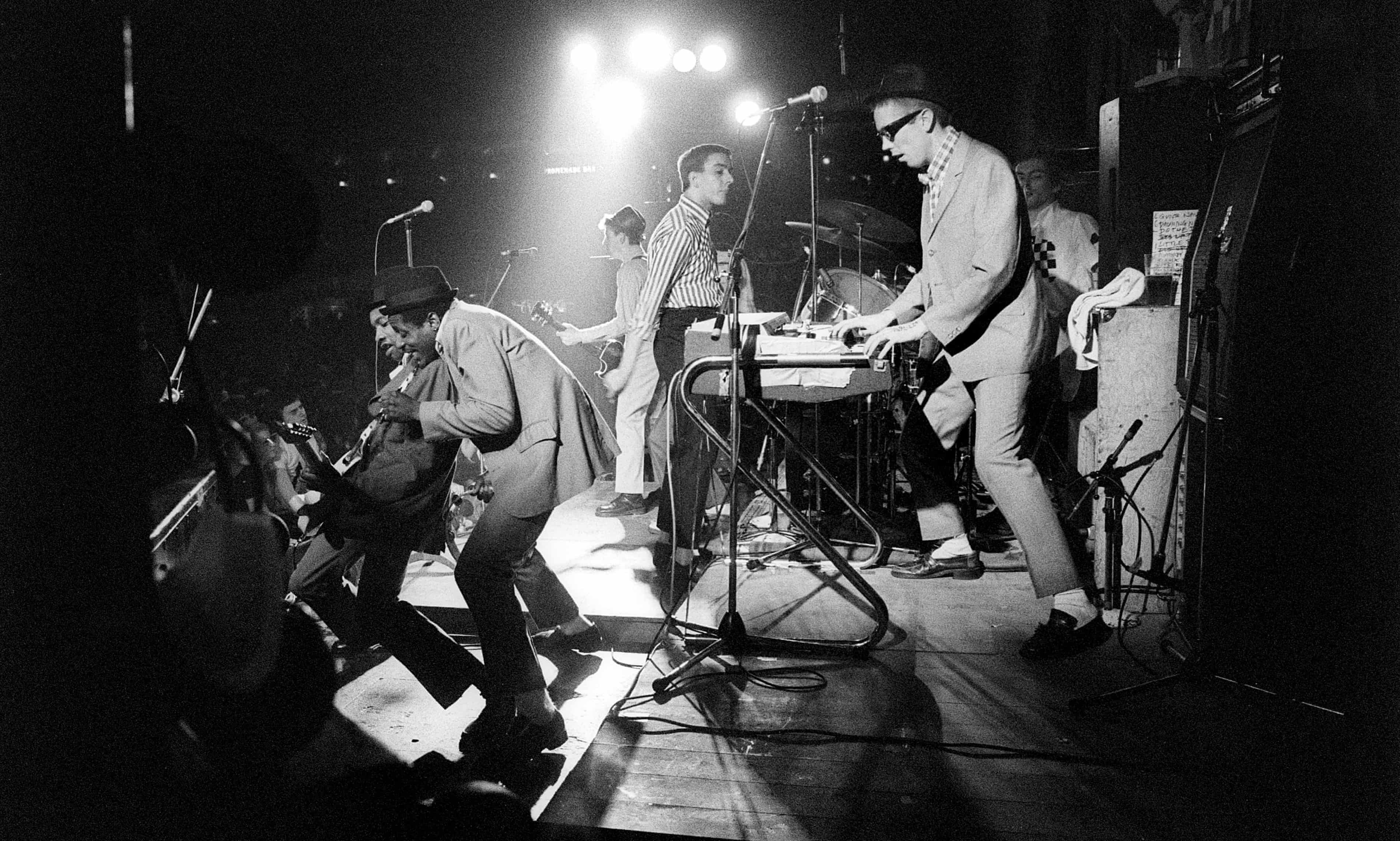
The Specials performing their own brand of Two-tone

Delving into the wider context: war-time evoked strong feelings of patriotism across the British empire of the time. And thousands of men from the West Indies volunteered to fight against Britain’s enemies, eager to contribute to the war effort. Expecting to join established British regiments, they were kept back from active combat in WW1, and instead assigned to labouring and logistical roles until King George V intervened. As a result the British West Indies Regiment was formed as a distinct unit. Remarkably 15,600 men enlisted from across the Caribbean forming 11 battalions; with Jamaica contributing the majority. Three battalions were deployed to Egypt. While playing a ‘supporting role’ in the theatre of war, they fought the Ottoman Turks in Palestine and Jordan, distinguishing themselves by their courage and skilfulness in the particularly challenging desert conditions. This marked a turning point in British military history, including and recognising the essential contribution of non-white troops to the overall war effort.

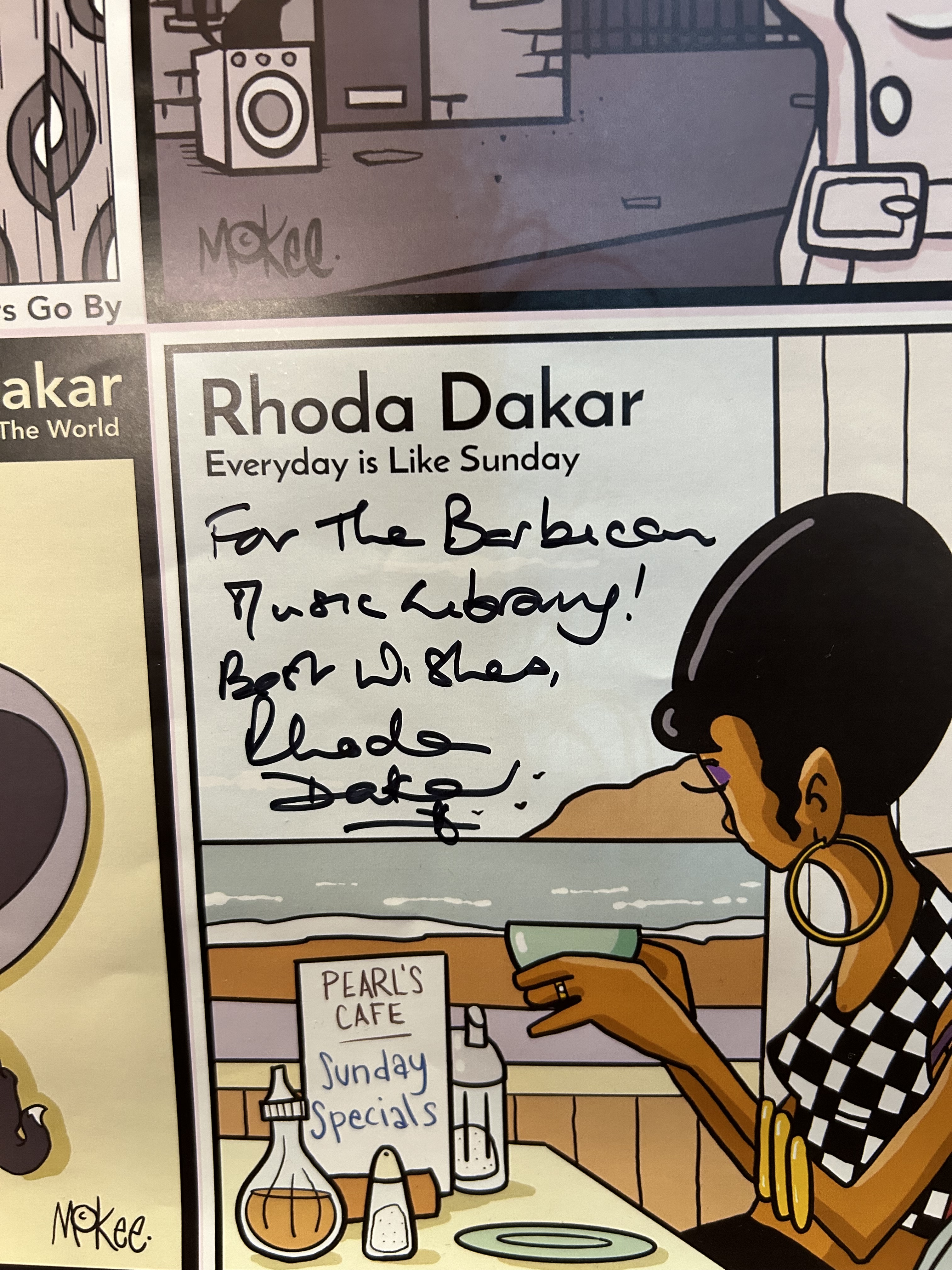
Lead singer of the Bodysnatchers, Rhoda Dakar – a major contributor to the exhibition, shares her family’s story – especially that of her father Rudolph Dakar, known as André. It is intrinsically woven through the events of wartime Europe: “My father, having joined the British West Indian Regiment and gone off to Europe to fight in WW1, returned to Jamaica with his Military Medal but never settled. He arrived in London but left to travel around Europe; France, Belgium, Italy and all the way to Hungary.” 

In the 1920s André and his french-speaking Belgian wife – a pianist, settled in Paris where he built his music career, penning lyrics and writing songs. In the Paris of the 20s and 30s he was celebrated alongside other artists and luminaries of the time such as Louis Armstrong and Josephine Baker – his contemporaries in the Paris jazz scene. However, the outbreak of WWII forced him and his wife to the UK (he held a British passport). However, they weren’t received or celebrated in the same way they were in France. Rhoda describes his comparison of Paris and London: ‘He always said “in France if you speak French, you’re a Frenchman. In England you’re just another black man”’. 

Nonetheless, André Dakar made his way in London, and became a well-known figure emceeing a music night called The Antilles, and subsequently hosting a jazz club in Piccadilly. Rhoda remembers that he was always impeccably turned out. He was also fully furnished with stories of the politicians, actors, journalists, artists and musicians he encountered, including the occasional clandestine visit from a royal. During the 50s and 60s he turned to film and television which included appearing in The Avengers and Danger Man.

Another featured story is told by the broadcaster, writer and DJ, Tony Minvielle. His dad arrived in 1960 from St Lucia, securing a job as a printer – unusual for a person of colour – and was working his way up to becoming a Master Printer, attending the London College of Printing. His mum arrived in 1961 (also from St Lucia) and became a seamstress. But in 1966 his father was hit by a car, and tragically died of his injuries. This left his mum (then only 23) to raise Tony on her own, who managed with the help of several ‘aunties’ and working multiple jobs, but it wasn’t easy. When she faced racism she face it head-on, with an approach of “no messin’”. Soul and reggae music was always playing on their ‘radiogram’ at home; and Tony recalls how joyful and soothing he found it.

In their reminiscences, fans of Two-tone recall the influx of Jamaican culture into the UK, and how it made an indelible mark on life in London, and other cities – like Bristol – with significant Caribbean communities. Memories include hearing Ska and Bluebeat blaring from windows in London’s east end, seeing “snappily dressed [Jamaican] rude boys hanging out on street corners” speaking in Jamaican patois – and being irrepressibly drawn to the culture, readily adopting its style and music.

Many recollections focus on 1979, when Two-tone music burst onto the UK scene. Highlights were of seeing The Specials – either live, or on Top of the Pops, and how they embodied this new youth movement combining British and Jamaican heritage; the music, the clothes and the sensibilities – bringing the two cultures together (which the documentary ‘Dance Craze’ details). And this in stark opposition to the extreme nationalism and racism promoted by the National Front and similar organisations.

It can’t be emphasised enough how important Two-tone was to society at the time – both politically and socially. Britain in the late 70s was a burgeoning multicultural nation. But for the most part young people weren’t overthinking things; they were just mixing and absorbing each others’ cultures. Many of those who got into Two-tone, already had their musical roots in Punk – and were open to exploring new sounds. In fact, embracing a changing UK was to increase the energy, vitality and political relevance of Punk. David Burke who curates the exhibition with Mark Baxter shares that: “If punk was my first crush, then ska and soul would be my life partner, my religion and my guide, to hopefully living a life that embraced all cultures and influences.”

The name ‘Two-tone’ was derived from the racial mix of the groups, as well as the black and white outfits they wore; emblematic of their mission and values. It offered a beacon of hope amidst the racial tensions. But the vision of multiracial harmony epitomised by the bands just couldn’t be matched by their audiences. Fights would regularly break out in venues, often sparked by interlopers who fundamentally disagreed with what they were witnessing on stage – and who resisted it as a genuine vision for life in the UK. Rhoda Dakar tells of a gig she performed with the BodySnatchers which had to end abruptly because of fighting in the audience. Events like this would eventually signal the end of Two-tone, because they couldn’t continue on. 

In the end several bands, including the BodySnatchers, broke up in despair of the situation. And 2 Tone Records shut down in 1981. But as this exhibition shows, its legacy remains; not only in the music and memories, but in a set of values which welcomes immigrants to the UK, embraces their multicultural influences, dares to create something new, and in so doing adds a greater richness to society.

© Alexandra Noel – all rights reserved 2024.